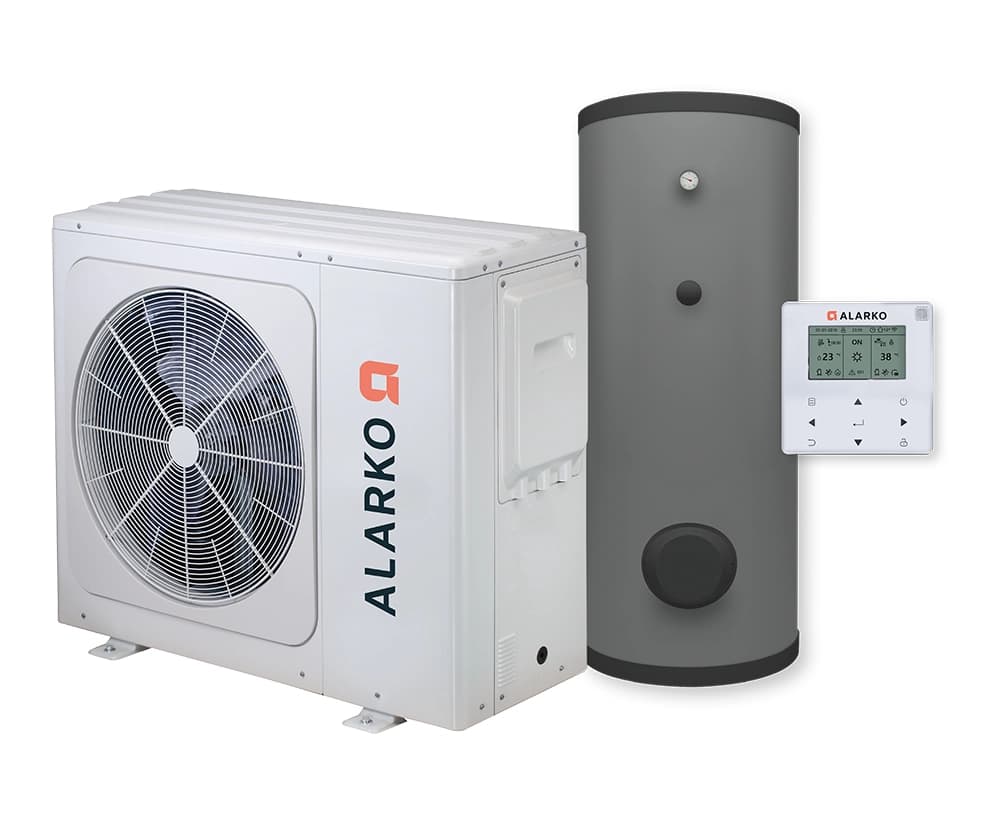
Heat pumps cover heating, cooling and hot water in one system. We explain how they work and their advantages over gas.
A heat pump moves heat from the outside air (or water/ground) into your home. It doesn't generate heat, it transfers it — so it can deliver several times more heat than the electricity it consumes. In summer the cycle reverses for cooling.
How does a heat pump work?
Inside the system, a refrigerant that can boil even at low temperatures circulates. In the outdoor unit it absorbs heat from the air and evaporates; a compressor squeezes it to raise its temperature; indoors it condenses and releases that heat into water or air. In summer the cycle runs in reverse for cooling. So a single unit both heats and cools.
Efficiency: what are COP and SCOP?
COP depends on the outdoor temperature: the milder the air, the higher the efficiency. That's why the Black Sea coast, with its mild winters, is one of the most suitable regions for heat pumps.
Heat pump or gas boiler?
Placing the two side by side, the key differences are:
| Feature | Heat pump | Gas boiler |
|---|---|---|
| Function | Heating + cooling + hot water | Heating + hot water |
| Energy source | Electricity (+ heat in the air) | Natural gas |
| Efficiency | 300–450% (COP 3–4.5) | ~90–98% |
| Carbon emissions | Low (electric) | Fossil fuel |
| With solar | Compatible — cost near zero | Not applicable |
Advantages of a heat pump
- Heating, cooling and hot water in one system
- High efficiency → low running cost
- Low carbon emissions, eco-friendly
- Works with underfloor heating, radiators and fan coils
- Combined with solar, heating/cooling cost is nearly zero
Which homes is it right for?
In homes with underfloor heating, radiators or fan coils, a heat pump is a strong alternative to a gas boiler. Efficiency is especially high on the mild-winter Black Sea coast. Engineering support is essential for correct capacity and installation; wrong sizing lowers efficiency.
Alarko Flair Monobloc Air to Water Heat Pump
It meets cooling, heating and hot water requirements with high performance up to 5.05 COPenergy efficiency.
View productTo find out whether a heat pump suits your home and what savings to expect, RCS Mühendislik provides a clear assessment with a free survey.
Frequently asked questions
- Does a heat pump raise the electricity bill a lot?
- It uses electricity, but because it produces 3–4.5× more heat than the electricity it consumes (COP), total heating cost is usually lower than gas or electric heaters. Combined with solar, the cost drops to almost nothing.
- Does a heat pump work in cold winters?
- Yes. Modern heat pumps heat down to -15 °C, some models to -25 °C. Efficiency (COP) falls as it gets colder; on the Black Sea coast, where temperatures rarely drop below 0 °C, efficiency stays high.
- Do I need underfloor heating for a heat pump?
- No. A heat pump also works with radiators and fan coils. However, the highest efficiency comes with underfloor heating or fan coils that run at low water temperatures.
- Does a heat pump also cool?
- Yes. Because the cycle reverses in summer, the same unit cools as well. This gives year-round comfort from one system, without needing a separate AC.
- Is a heat pump more expensive than a boiler?
- The upfront cost is higher than a boiler; but thanks to low running costs, doubling as cooling, and compatibility with solar, it pays for itself over the medium to long term.
Free survey for your project
Let's determine the ideal system for your space together. Survey and quote are free.
Related products
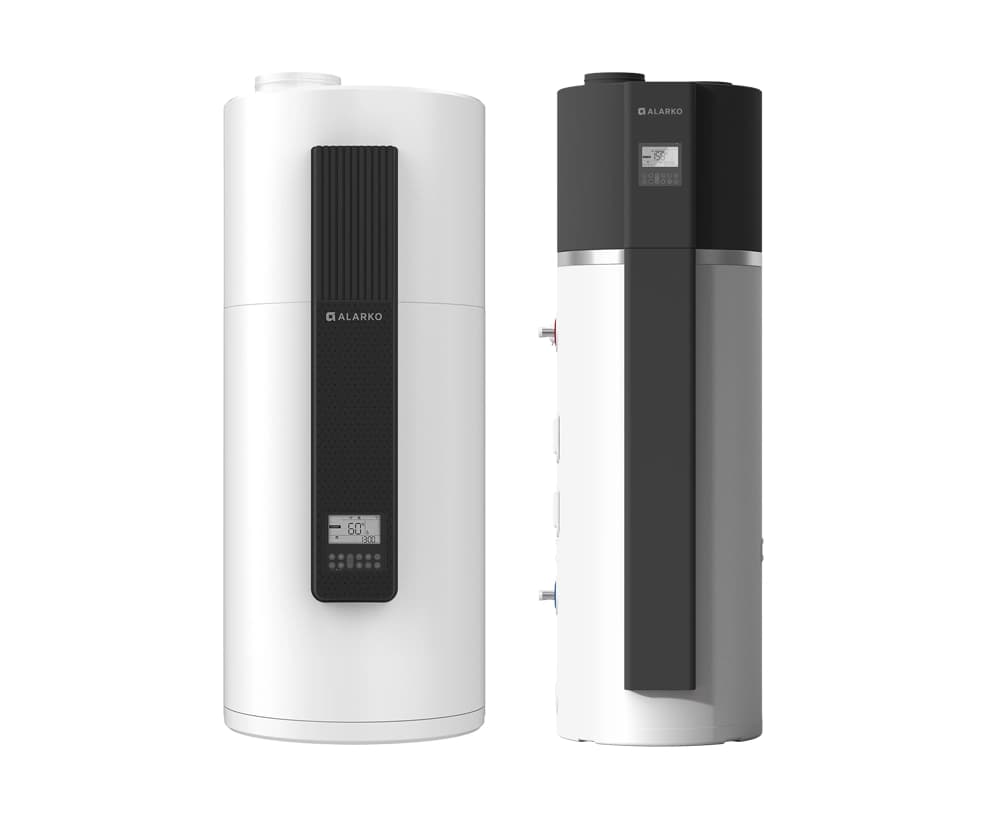
Alarko Heat Pump Water Heater R290 Series
The contact area between the heat exchanger and the water tank is increased, therefore the heat exchange effect is…
View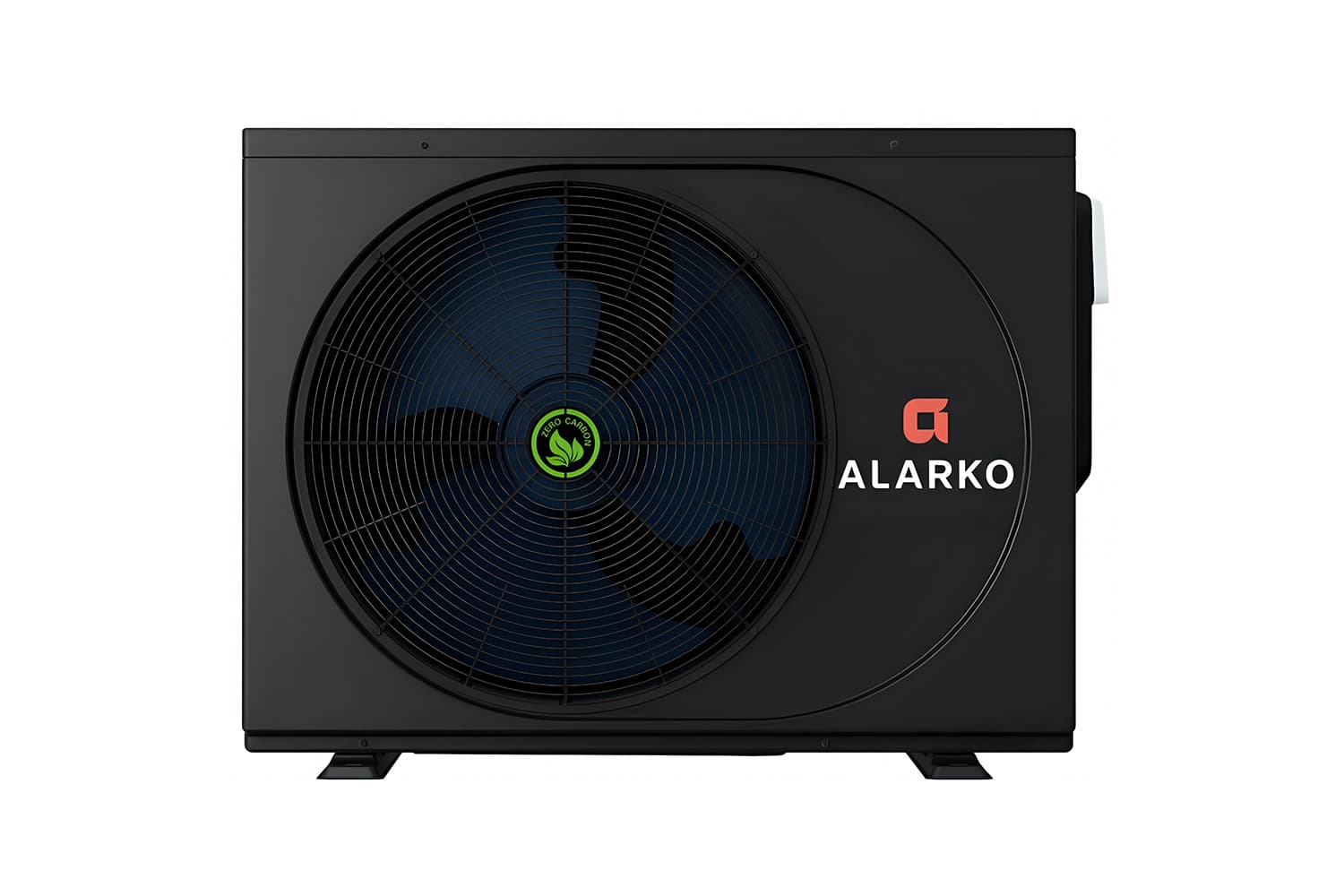
Alarko Pool Heat Pump
Alarko Pool Heat Pump
View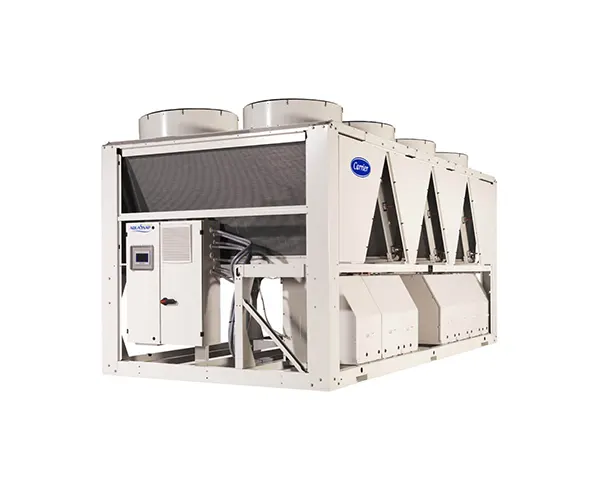
Carrier AquaSnap 30RQ/RQP R32 Heat Pump
Carrier 30RQ/RQP R32 AquaSnap air-to-water scroll heat pump
View