An incorrectly sized AC either fails to cool the room or wastes energy. Here's how to choose the right BTU for your area.
The most critical decision when choosing an AC is capacity, measured in BTU/h (British Thermal Units per hour). Short answer: a 10–15 m² room usually needs 9,000 BTU, 15–25 m² needs 12,000 BTU and 25–35 m² needs 18,000 BTU. But the right value shifts with orientation, floor, ceiling height and humidity. Below we explain both the table and these factors in plain language.
AC capacity (BTU) table by room
| Room size | Recommended capacity | Typical use |
|---|---|---|
| 10–15 m² | 9,000 BTU/h | Small bedroom, study |
| 15–25 m² | 12,000 BTU/h | Bedroom, small living room |
| 25–35 m² | 18,000 BTU/h | Living room, open kitchen |
| 35–50 m² | 24,000 BTU/h | Large living room, shop |
| 50–70 m² | 2× units or ducted | Open-plan area, workplace |
A practical rule of thumb: budget roughly 500–600 BTU per square metre. For a 20 m² room, 20 × 600 ≈ 12,000 BTU. That's a good starting point; then fine-tune with the factors below.
Factors that affect the BTU calculation
- Orientation and sun: south/west-facing rooms with large windows heat up more → increase capacity by 10–20%.
- Floor: the top floor (under the roof) is hotter in summer and needs extra capacity.
- Ceiling height: ceilings above 2.7 m increase the volume, so capacity rises.
- People and appliances: each extra person and heat-producing device (oven, computer) adds load.
- Kitchen: open-kitchen living rooms need extra capacity for cooking heat.
What happens if the capacity is wrong
If the capacity is too low, the AC can never reach the target temperature, runs at full power constantly and wears out. If it's too high, it cools the room quickly and shuts off, cycling on and off (short cycling) — wasting energy, failing to remove humidity and reducing comfort. The right capacity is the balance between these extremes.
Check the energy class too
Two ACs with the same BTU can differ greatly in efficiency. An A+++ unit saves noticeably on annual electricity versus an A-class one. For long-term cost, a high energy class matters as much as correct capacity.
A note for Ordu and the Black Sea
Humidity is high in the Black Sea climate, so AC choice depends not only on cooling capacity but also on dehumidification performance. A correctly sized AC balances humidity for a more comfortable space. At RCS Mühendislik we run a free on-site survey in and around Ordu and determine the right capacity with a heat-load calculation.
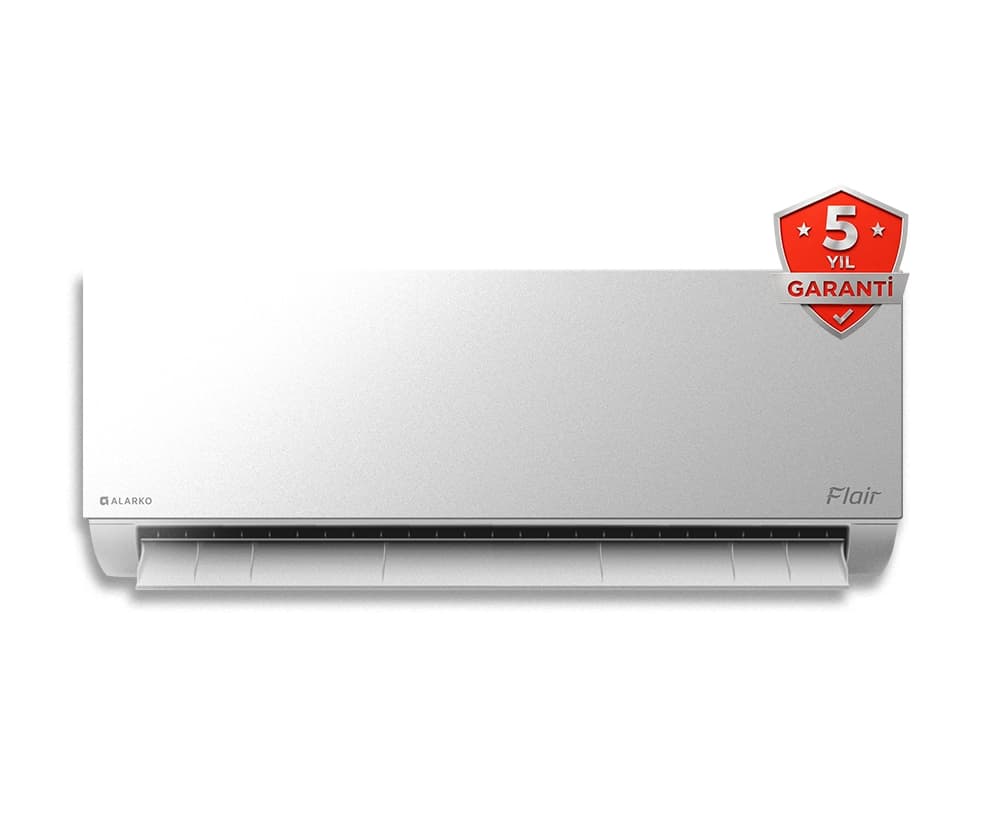
Alarko Flair Silver Split AC 12.000 BTU/h
Alarko Flair Silver Split AC 12.000 BTU/h
View productIf you're unsure which capacity suits your room, contact us for a free survey and let's choose the right model together.
Frequently asked questions
- How many BTU does a 1+1 flat need?
- In a typical 50–60 m² 1+1 flat, 18,000 BTU for the living room and 9,000–12,000 BTU for the bedroom is common. Cooling the whole flat with one unit is inefficient unless it's open-plan; a multi system (several indoor units on one outdoor unit) fits better.
- How many square metres does an 18,000 BTU AC cover?
- An 18,000 BTU AC comfortably cools a 25–35 m² room with standard insulation and average windows. In sunny, top-floor or high-ceiling rooms this area shrinks slightly.
- Is choosing too high a BTU harmful?
- Yes. An oversized AC cools the room too fast and shuts off, cycling on and off (short cycling). This wastes energy, leaves the air humid and wears the unit faster. Matching capacity to the room is always better.
- How many BTU for a living room?
- Living rooms are usually 25–40 m²; 18,000–24,000 BTU suits this range. Large living rooms with an open kitchen or lots of sun may need 24,000 BTU.
- Should I buy an inverter or a standard AC?
- An inverter AC adjusts its capacity without constantly switching on/off, so it's quieter, more efficient and more comfortable. Its upfront cost is a bit higher but pays back through electricity savings. In most cases today an inverter model is recommended.
Free survey for your project
Let's determine the ideal system for your space together. Survey and quote are free.
Related products
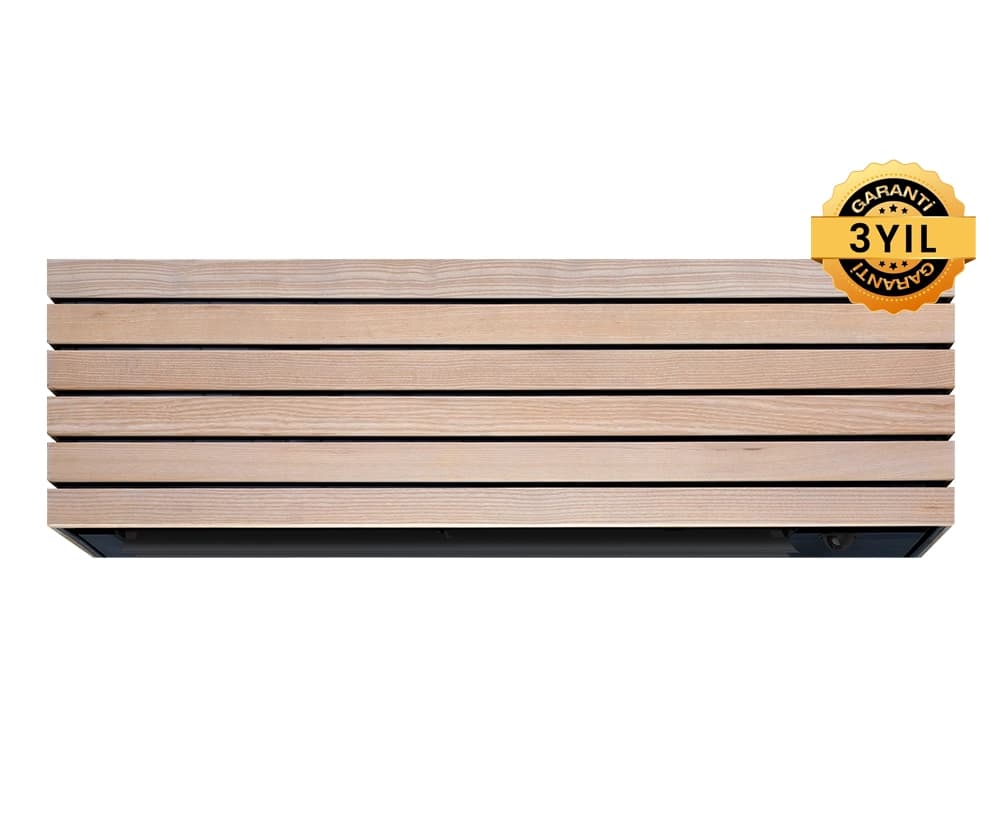
Toshiba Daiseikai 10 Split AC 9.000 BTU/h
Toshiba Daiseikai 10 Split AC 9.000 BTU/h
ViewAlarko Flair Silver Split AC 12.000 BTU/h
Alarko Flair Silver Split AC 12.000 BTU/h
View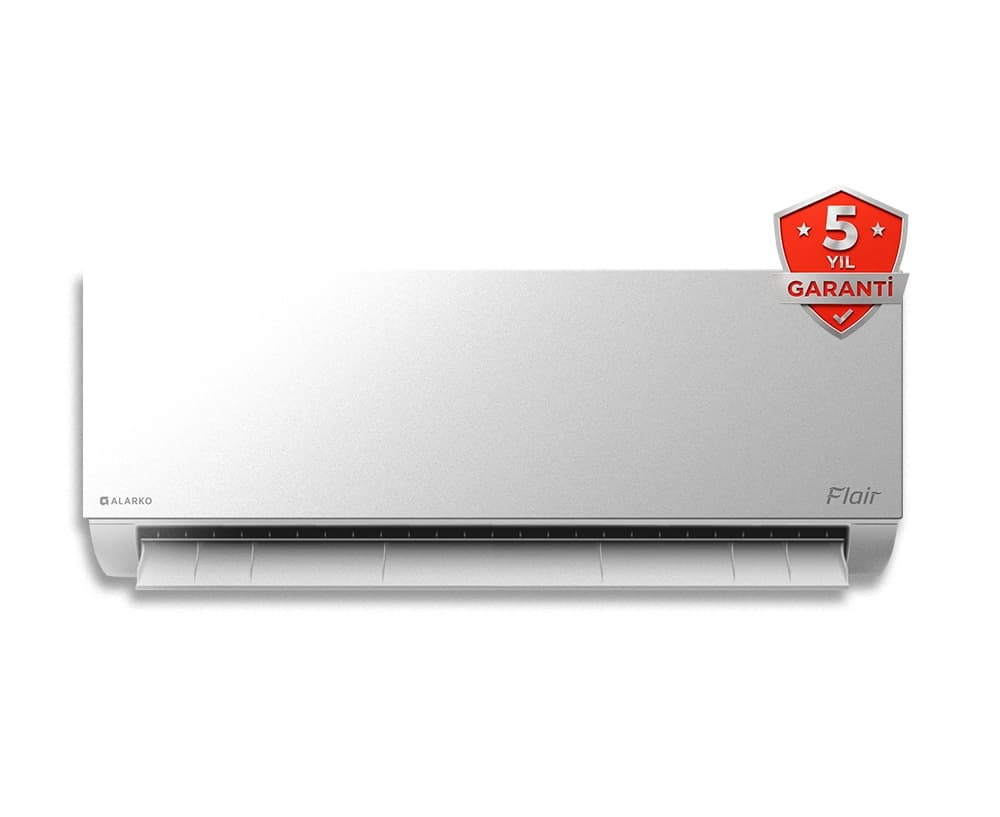
Alarko Flair Silver Split AC 18.000 BTU/h
Alarko Flair Silver Split AC 18.000 BTU/h
View